

The provincial government of Balochistan has approved the integration of the Levies Force into the Balochistan Police across six of the province’s eight administrative divisions. But the Sibi division, which includes Dera Bugti, the native district of Chief Minister Mir Sarfraz Bugti, remains excluded from the order. This has prompted sharp accusations that the exclusion is being used to preserve patronage and enable irregular recruitments.
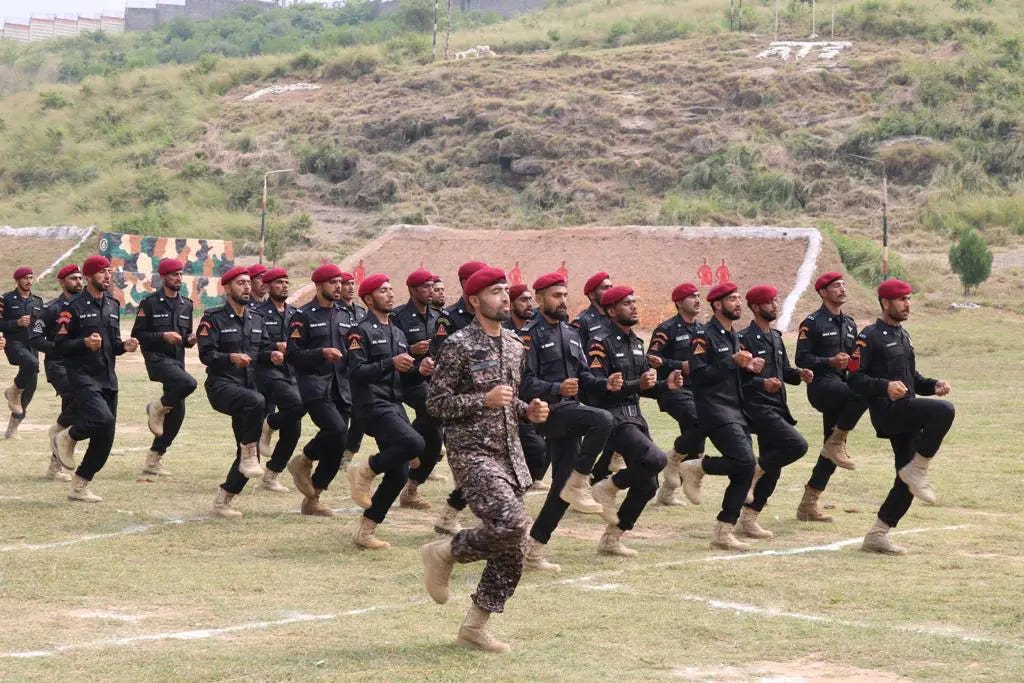
Journalists and activists have raised concerns that the exemption for the Sibi division could be intended to facilitate the recruitment of individuals from Mr Bugti’s own clan and allies into Levies positions before the force is eventually merged.
Baloch journalist Kiyya Baloch on X described the move as “technical corruption”, pointing to job advertisements for hundreds of Levies vacancies in Dera Bugti, the chief minister’s native district, posted just before other divisions’ Levies were absorbed into the police.
Official documents shared online show that 430 posts for sepoys (constables), 15 drivers, one runner, and one watchguard were advertised for Dera Bugti in December 2024, an unprecedented number for a district with a population of just over 350,000.
“If you look at the timing of the announcement for these vacancies, it is significant,” Baloch told the Native Voices.
“This announcement’s timing is important because it happened while the Levies-police merger was being discussed. In January 2025, the Balochistan government merged Levies from Quetta, Gwadar, and Lasbela into the provincial police. Mr Bugti knew the merger was coming, so he announced many Levies vacancies in Dera Bugti shortly before.”
In March, 40 more Levies vacancies in grades 14, 12, and 11 were advertised. Kiyya Baloch said interviews finished in April, but appointment orders have not been issued yet.
A government official, who requested anonymity, claimed the merger delay in Sibi was to recruit 400–500 people from Mr Bugti’s clans. Native Voices could not independently verify this claim.
“Levies have merged in Quetta, Makran, Zhob, Kalat, Rakhshan, and Nasirabad but not in Sibi. Why?” asked the official. This exception has caused a political storm in Quetta and on social media, with calls for explanation from journalists and activists.
The Balochistan government says that the process is transparent.
Reacting to Baloch’s post, former government spokesperson Shahid Rind, whose own appointment was previously declared illegal by the Balochistan High Court but who is still reported to be working unofficially, initially dismissed the allegations as a “conspiracy theory” in a tweet he later deleted. In a subsequent post in English on X, Mr Rind did not address the substance of the claims, instead writing: “The issue is that sitting in Norway and, without proper knowledge, creating a table story based on a notification with conspiracy theories is very easy.”
Critics, however, say that the timing of the recruitments and the Sibi exception raise serious questions about the transparency and fairness of the process. They point to previous episodes of politically sensitive appointments in Dera Bugti and call for all high-level Levies positions to be filled through competitive examinations administered by an independent commission.
Civil society groups are now demanding the publication of official advertisements, applicant lists, and interview schedules for the recent Levies recruitment drives. They also question why a large number of advertised posts remain unfilled despite interviews being conducted in April.